How to Start and Maintain a Sustainable Home Garden in 12 Simple Steps
As you all know, Butterflies in Ballgowns is a slow, sustainable fashion brand. I only use thrifted or second hand fabric, to help reduce the impact on the planet. Another way you can reduce your impact on the planet is by growing your own food, so I asked Lynzee from Foodscape Gardens to give us her top tips for starting your own Home Garden.
Ready to Transform Your Lifestyle and Make a Difference?
If you’ve ever dreamed of cultivating your own garden to grow fresh, organic vegetables, you’re not alone. Many of us share the aspiration of stepping into our backyards and harvesting the fruits of our own labor as a step towards living more sustainability and feeling healthier.
Our desire to reconnect with nature and the land is a powerful force within us, eagerly seeking expression. By embracing practices like growing our own food, we not only contribute to the healing of our planet but also fulfill this longing to reconnect.
At Foodscape Gardens, we believe that small, intentional steps can lead to profound change. Whether you’re just starting out or looking to refine your gardening skills, the path to growing your own food is filled with opportunities to connect with nature and enhance your life. We’re navigating this journey too, and we’re here to share insights that can help you cultivate your own piece of paradise. It’s our goal to help you navigate your way through that overwhelm so you can be eating fresh produce that you grew yourself.
Ready to discover how you can make a positive impact in your life through home gardening?
Let’s explore practical tips and sustainable practices that will empower you to grow your own veggies.
Here’s 10 simple steps for you to follow when beginning your garden:
1. Start with a Plan
Assess Your Space: Determine how much space you have, whether it’s a backyard, balcony, or windowsill. Choose plants that will thrive in your specific environment.
Choose Suitable Crops: Opt for vegetables, herbs, or fruits that are well-suited to your climate and soil conditions.
2. Use Organic and Regenerative Growing Practices
Compost: Start a compost bin to recycle kitchen scraps and yard waste into nutrient-rich compost. This reduces landfill waste and enriches your soil naturally.
Organic Fertilizers: Use organic fertilizers like bone meal, fish emulsion, or seaweed to nourish your plants without synthetic chemicals.
3. Water Wisely
Rainwater Harvesting: Collect rainwater in barrels to use for watering your garden. This conserves water and reduces your water bill.
Efficient Watering: Water your plants early in the morning or late in the evening to minimize evaporation. Use drip irrigation systems to deliver water directly to the plant roots.
4. Choose Native Plants
Native and Adapted Plants: Select plants that are native to your region or well-adapted to local conditions. They typically require less water, are more resistant to pests, and pollinators love them.
5. Implement Companion Planting
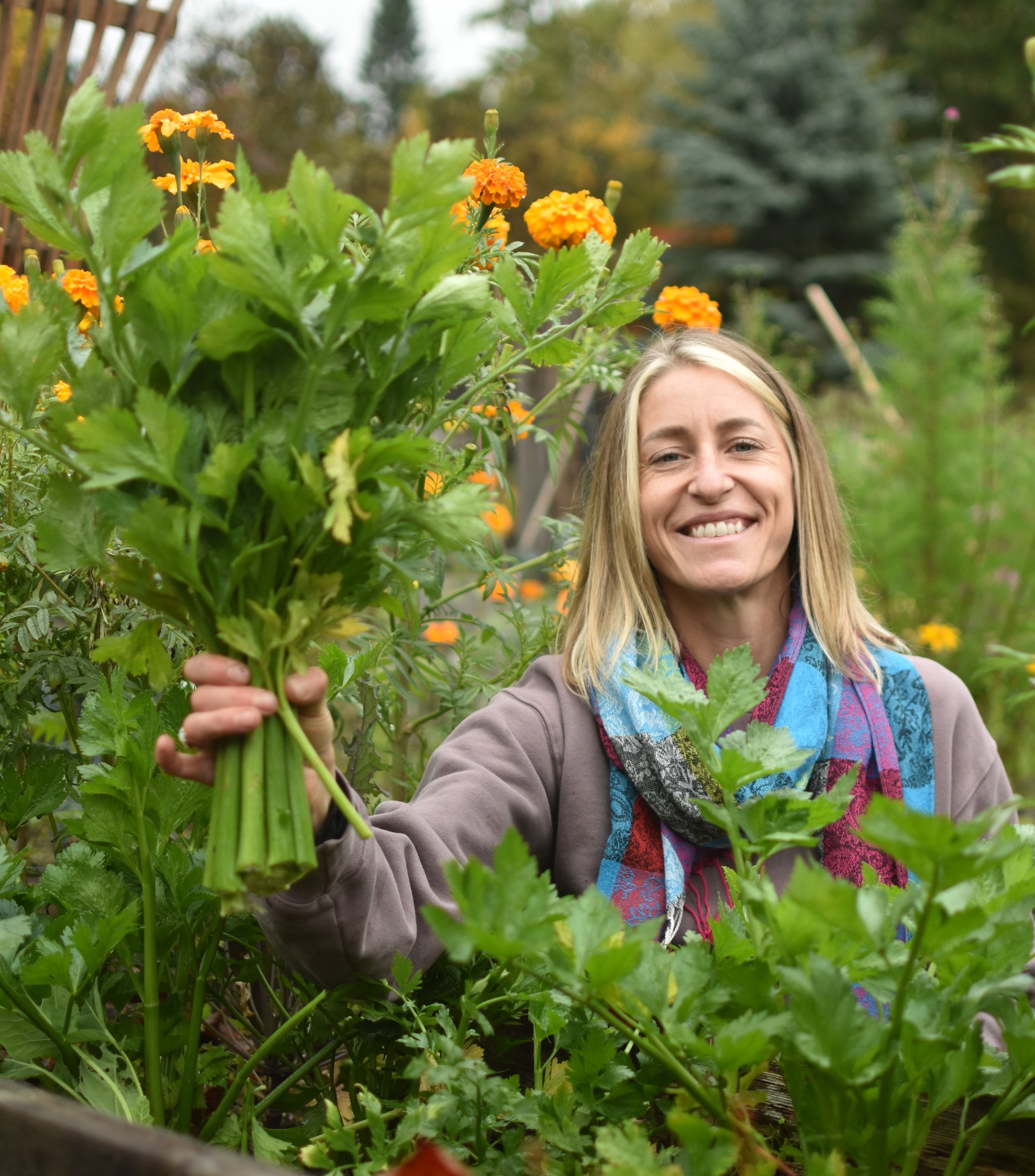
Natural Pest Control: Pair plants that benefit each other. For example, planting marigolds alongside tomatoes can help repel certain pests. Research companion planting to find beneficial combinations for your garden.
6. Practice Minimal Tillage
No-Till Gardening: Avoid disturbing the soil unnecessarily. No-till gardening preserves soil structure and helps maintain healthy soil ecosystems.
7. Use Mulch
Mulch Application: Apply organic mulch, such as straw, non-acidic leaves, or chop and drop debris, around your plants. Mulch helps retain soil moisture, suppress weeds, and gradually improves soil fertility.
8. Grow in Containers
Container Gardening: If space is limited or you are brand new to gardening, use pots and containers to grow herbs, lettuce, or small vegetables. Containers can be moved to make the most of sunlight and space.
9. Save Seeds
Seed Saving: Collect seeds from your own plants to replant in future seasons. This practice reduces the need to purchase new seeds and helps preserve heirloom varieties.
10. Educate Yourself and Stay Informed
Gardening Resources: Stay updated with local gardening resources, workshops, and online communities. Learning from experienced gardeners and accessing reliable information can enhance your gardening skills and knowledge.
11. Make Your Own Pest Control
DIY Solutions: Create natural pest repellents using ingredients like garlic, neem oil, or soap. These alternatives to chemical pesticides can protect your plants while being gentle on the environment.
Companion planting is GREAT pest control, practice it in your garden.
12. Encourage Biodiversity
Diverse Planting: Grow a variety of plants to attract beneficial insects, such as pollinators and predatory bugs that help control pests. Biodiversity supports a balanced and resilient garden ecosystem.
Embrace the Journey and Grow with Confidence!
Every garden begins with a single seed and the desire to grow. Remember, gardening is as much about the journey as it is about the harvest. You may encounter challenges, but each one is an opportunity to learn and grow. Celebrate the small victories, and let the occasional setbacks inspire you to keep going.
As you cultivate your garden, you’re not just nurturing plants—you’re contributing to a more sustainable and vibrant world. Each choice you make, from the seeds you plant to the methods you use, shapes a brighter future for both yourself and the planet.
So, roll up your sleeves, get your hands in the soil, and let your garden become a testament to your dedication and passion. If you’re ready to start this fulfilling journey and need a bit more guidance or inspiration, don’t hesitate to reach out. Together, let’s turn our visions into vibrant realities and grow a greener, more connected world!
Lynzee Bewcyk
Garden Mentor | Foodscape Gardens
www.foodscapegardens.ca